 How-to
How Do You Fix Garage Door Salt Corrosion?
Last Updated: October 26, 2026
Quick Summary
To fix garage door salt corrosion, rinse the door with fresh water, spray white vinegar on affected areas, scrub gently with a soft-bristle brush, rinse again, dry completely, and apply a rust-preventative coating every 3-6 months. For severe corrosion affecting springs or structural components, contact a professional immediately.
- Salt is hygroscopic and pulls moisture from air, triggering oxidation that can damage metal within weeks in coastal conditions
- Springs, hinges, brackets, tracks, and rollers are the main garage door components that corrode from salt exposure
- Use soft-bristle brushes and white vinegar for cleaning, never steel wool or high-pressure washers which worsen corrosion
- Apply protective coatings like car wax or marine wax after cleaning and reapply every 3-6 months in coastal areas
- Replace corroded fasteners with stainless steel alternatives and have a professional inspect your door annually
Table of Contents
- What Causes Salt Corrosion on Garage Doors
- How to Clean Salt Corrosion from Your Garage Door
- Removing Rust from Garage Door Tracks
- Treating Corroded Springs, Hinges, and Hardware
- Best Garage Door Openers for Florida Coastal Environments
- Garage Door Maintenance in a Coastal Climate
- Common Mistakes to Avoid When Dealing with Salt Corrosion
- When to Call a Professional for Salt Corrosion Damage
- Frequently Asked Questions
What Causes Salt Corrosion on Garage Doors
To fix garage door salt corrosion, you need to understand that salt air corrodes garage door metal. It's a real problem for homeowners near the coast. Salt particles settle on steel, aluminum, and iron components. Over time, they eat through protective coatings and cause rust.
The corrosion process starts fast. Salt is hygroscopic, meaning it pulls moisture from the air. This moisture sits on metal surfaces and triggers oxidation. Metal begins to break down within weeks in severe coastal conditions.
Your garage door has multiple metal parts that corrode:
- Springs, These hold the door's weight and fail first under salt damage
- Hinges and brackets, Salt weakens the joints that hold panels together
- Tracks, Rust buildup prevents smooth door movement
- Rollers, Corroded rollers cause the door to bind or stick
- Hardware, Bolts, screws, and fasteners weaken and break
The closer you live to the ocean, the faster corrosion happens. Even homes a few miles inland experience significant salt air damage. The pattern is always the same: without treatment, minor corrosion becomes a major repair within months.
How to Clean Salt Corrosion from Your Garage Door
Cleaning salt corrosion stops the damage before it spreads. You can handle light corrosion yourself. Caught early, a simple cleaning routine prevents expensive repairs down the road.
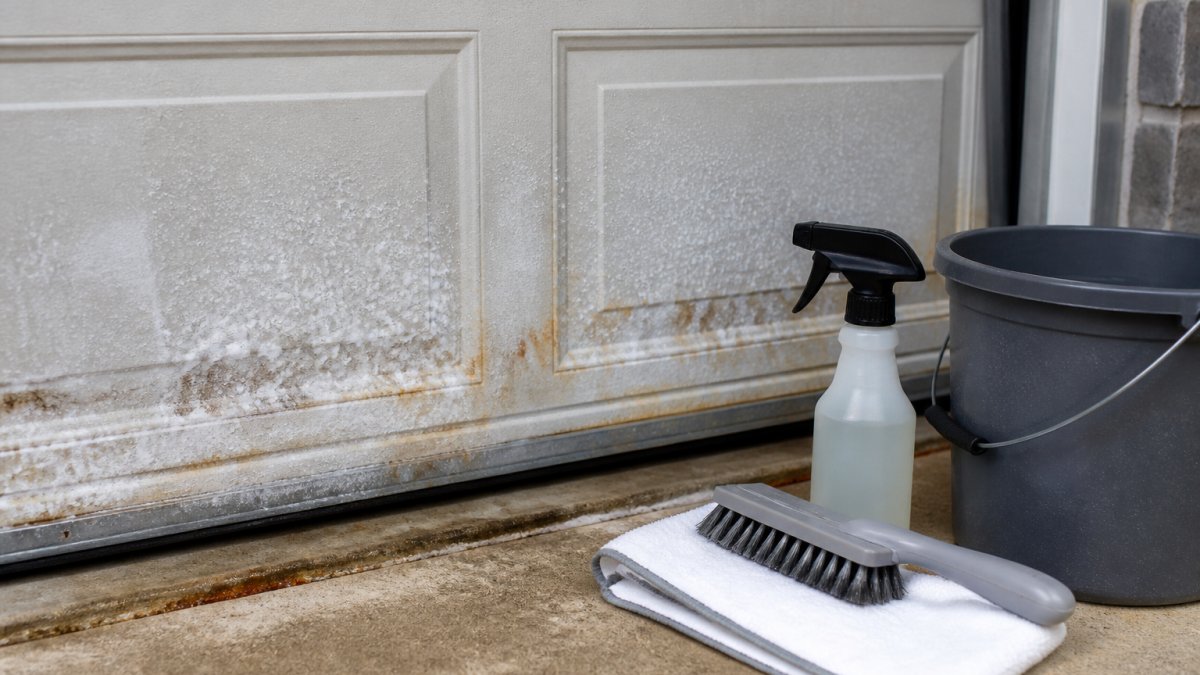
What You'll Need Before Starting
Gather these supplies before you start:
- Soft-bristle brush or old toothbrush
- White vinegar (acetic acid cuts through salt buildup)
- Spray bottle
- Clean cloth or sponge
- Bucket of fresh water
- Rubber gloves
- Safety glasses
- Mild dish soap
- Rust converter (optional, for surface rust)
Don't use steel wool or wire brushes. They scratch protective coatings and expose bare metal to more corrosion.
Step-by-Step Cleaning Process
Step 1: Rinse with Fresh Water (5 minutes)
Start by rinsing the entire door with fresh water from a hose. Use moderate pressure, don't blast the door with high-pressure spray.
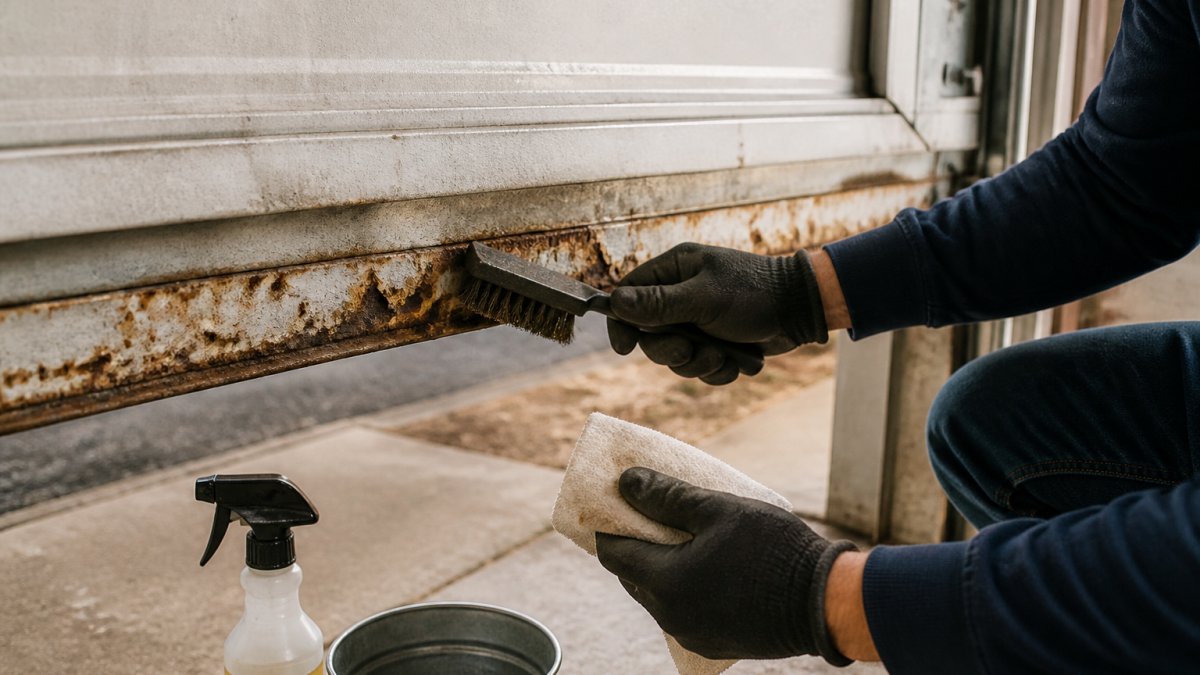
Step 2: Spray Vinegar on Affected Areas (2 minutes)
Pour white vinegar into a spray bottle. Spray it directly on areas showing white salt deposits or light rust.
Step 3: Scrub Gently with a Soft Brush (10 minutes)
Use a soft-bristle brush to scrub away loosened salt and corrosion. Work in circular motions.
Step 4: Rinse Again with Fresh Water (5 minutes)
Rinse the entire door with fresh water to remove vinegar and loosened corrosion debris.
Step 5: Dry Completely (10 minutes)
Use clean cloth to dry all surfaces. Moisture left behind will restart the corrosion process. Dry the door panel, all hardware, and the tracks.
Step 6: Apply Protective Coating (varies)
Once dry, apply a rust-preventative coating. Options include:
- Car wax or marine wax (protects against salt air)
- Automotive clear coat spray
- Metal sealant designed for coastal environments
A thin protective layer blocks salt from reaching bare metal. Reapply this coating every 3-6 months in coastal areas.
Removing Rust from Garage Door Tracks
Rust in the tracks prevents smooth door movement, and knowing how to fix garage door salt corrosion in this area is essential for safety.
Light surface rust can be removed at home. Here's the process:
Clean the tracks thoroughly. Use a soft brush to remove loose rust and debris. Spray vinegar on rusted sections and let it sit for 10 minutes. Scrub gently with a brush.
Apply a rust converter. For deeper rust, use a rust converter product. These products chemically transform rust into a stable surface that won't spread.
Lubricate the tracks. After rust removal and drying, apply a light silicone-based lubricant to the tracks. This prevents future rust and keeps the door moving smoothly.
Inspect the rollers. While you're working on the tracks, check the rollers for corrosion. Corroded rollers bind in the tracks and cause uneven movement.
Watch out: If rust has eaten through the track material or created deep pits, the track cannot be safely repaired. Damaged tracks reduce door stability and create safety hazards.
Treating Corroded Springs, Hinges, and Hardware
Springs are the most critical component. Learn more about why garage door springs break more often in Florida and how salt corrosion accelerates spring failure.
Hinges and hardware corrode alongside springs. Corroded hinges weaken the connection between panels. Hardware bolts and fasteners become brittle and break.
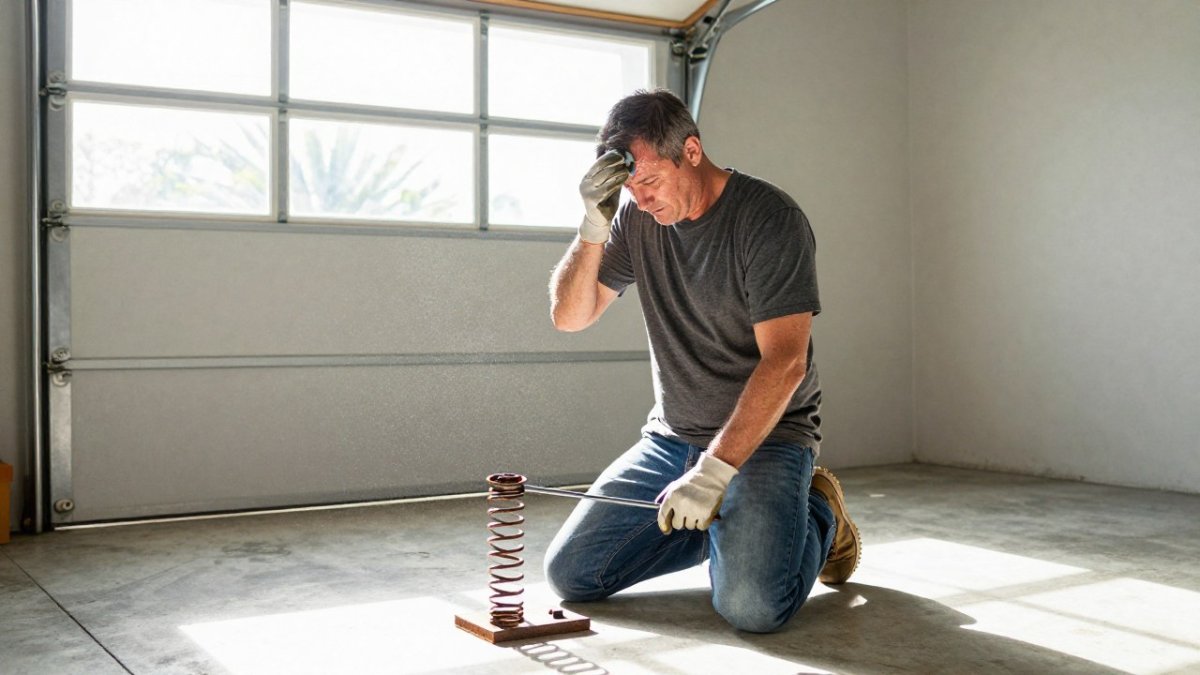
Do not attempt to replace springs yourself. Garage door springs are under extreme tension. Improper handling causes serious injury. Springs should only be replaced by professionals.
For hinges and hardware, you can slow corrosion:
- Clean salt deposits regularly (use the vinegar method above)
- Apply protective coatings every few months
- Tighten loose bolts and fasteners
- Replace corroded fasteners with stainless steel alternatives
Stainless steel hardware resists salt corrosion far better than standard steel. If you're replacing bolts or hinges, upgrade to stainless steel.
Many homeowners in Tampa Bay find that professional spring repair services save time and prevent injury. Springs fail without warning under salt damage, and replacement requires specialized tools and training.
Best Garage Door Openers for Florida Coastal Environments
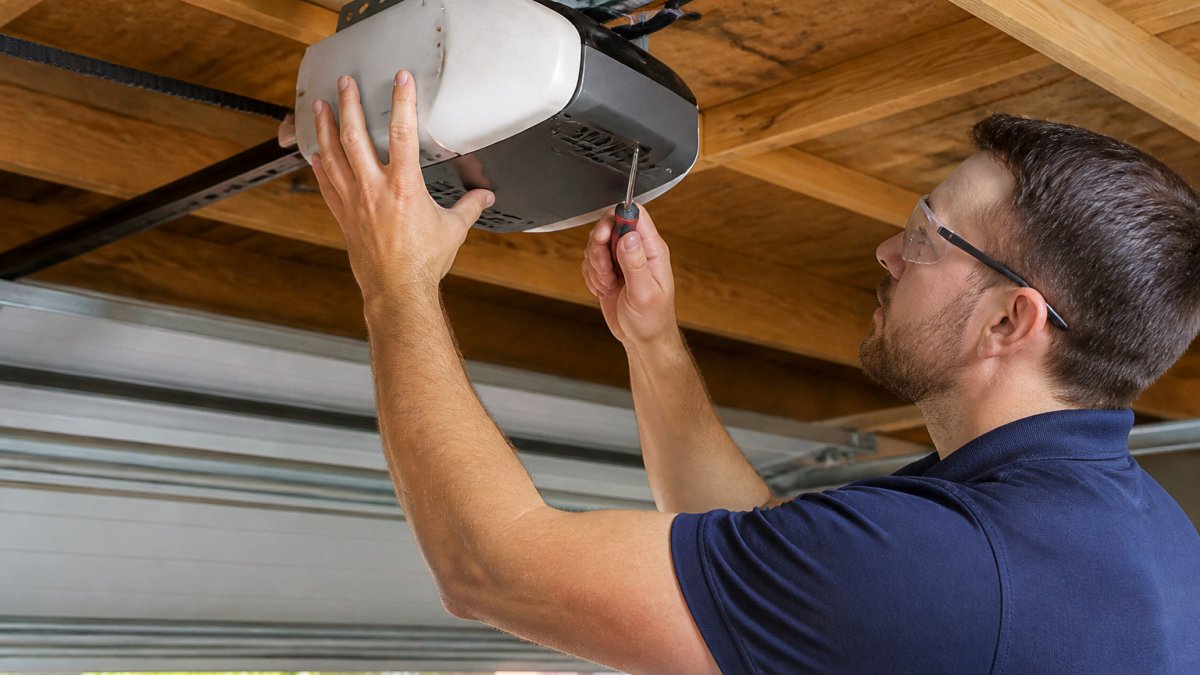
Garage door openers corrode in salt air just like door panels. An opener that works well inland may fail quickly near the coast. Choosing the right opener for coastal conditions prevents future problems.
Look for these features in a coastal-rated opener:
- Stainless steel or powder-coated housing, Resists salt corrosion better than bare steel
- Sealed motor and electronics, Prevents salt particles from entering internal components
- Corrosion-resistant hardware, Bolts, brackets, and fasteners made from stainless steel
- Backup battery system, Ensures your door operates even during power outages (common after coastal storms)
- Adjustable force settings, Allows the opener to work smoothly with heavily corroded doors
Standard openers designed for inland use fail quickly in salt air. The motor corrodes, electronics malfunction, and the opener stops working within a few years. Coastal-rated openers cost more upfront but last much longer and require fewer repairs.
When selecting an opener for a coastal area like Tampa Bay, prioritize durability over price. Get garage door repair and replacement in Palm Harbor to explore salt-resistant options and local service.
Garage Door Maintenance in a Coastal Climate
Regular maintenance is your best defense against salt corrosion. A simple routine keeps your door working safely and extends its lifespan by years.
Monthly maintenance:
- Rinse the door with fresh water to remove salt deposits
- Check for new rust or white corrosion spots
- Inspect hinges and hardware for looseness
- Listen for grinding or squeaking sounds (signs of track corrosion)
Every 3 months:
- Clean and lubricate the tracks
- Reapply protective coating to panels and hardware
- Check the door's balance by opening it halfway, it should stay level
- Test the safety sensors (door should reverse if something blocks it)
Annually:
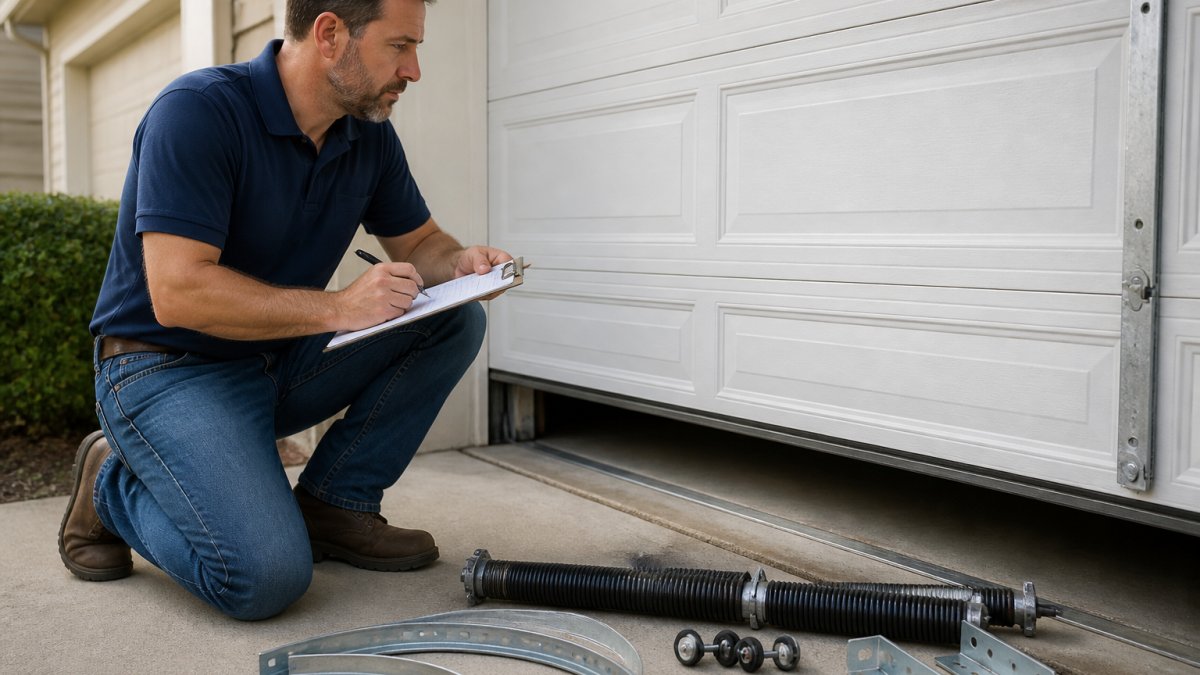
- Have a professional inspect springs, cables, and the opener
- Replace corroded fasteners with stainless steel alternatives
- Deep clean all metal components
- Check the weatherstripping for damage
A yearly garage door tune-up catches problems before they become expensive. Professional technicians spot corrosion damage you might miss. They can tighten loose components, replace corroded hardware, and adjust the door's balance.
Trinity Garage Door Service recommends annual maintenance for all coastal homeowners. Salt air damage accelerates quickly, but regular care slows it dramatically.
Keep your garage door protected with this maintenance schedule tailored for salt air environments.
| Maintenance Task | Frequency | What to Do |
|---|---|---|
| Rinse door and check for rust | Monthly | Remove salt deposits and inspect for corrosion spots |
| Clean tracks and reapply coating | Every 3 months | Lubricate tracks and refresh protective coating |
| Professional inspection | Annually | Have technician check springs, cables, and opener |
| Replace corroded fasteners | Annually | Upgrade to stainless steel alternatives |
| Deep clean metal components | Annually | Thoroughly clean all surfaces and hardware |
| Check weatherstripping | Annually | Inspect for damage and replace if needed |
Common Mistakes to Avoid When Dealing with Salt Corrosion
Many homeowners make mistakes that worsen corrosion. Knowing what NOT to do saves time and money.
Mistake 1: Ignoring early signs. Small white spots or light rust seem minor. But salt corrosion spreads fast.
Mistake 2: Using high-pressure washers. High-pressure spray forces salt and water into crevices and seams.
Mistake 3: Applying oil-based lubricants. Oil attracts salt particles and dirt.
Mistake 4: Skipping protective coatings. After cleaning, many people assume the door is fixed.
Mistake 5: Delaying spring replacement. Corroded springs lose strength gradually. They may look fine but fail without warning.
Mistake 6: Using standard hardware. Galvanized bolts and hinges corrode in salt air.
Mistake 7: Cleaning only visible areas. Salt hides in seams, under hinges, and inside tracks.
When to Call a Professional for Salt Corrosion Damage
Some corrosion problems require professional help. Knowing when to call saves you from costly mistakes and safety hazards.
Call a professional if:
- Springs show significant corrosion or rust pitting
- The door moves unevenly or sticks in the tracks
- Hinges are bent, cracked, or severely corroded
- Tracks are pitted or have deep rust damage
- The door won't open or close smoothly
- Hardware bolts are corroded and won't tighten
- You hear grinding, squeaking, or unusual noises
- The door feels heavy or requires extra force to move
These problems indicate structural damage that goes beyond surface cleaning. Attempting DIY repairs on damaged springs, tracks, or structural components creates safety risks. Springs are under extreme tension and can cause serious injury if mishandled.
Trinity Garage Door Service handles salt corrosion damage across the Tampa Bay area. Same-day repairs are available for emergency situations. Professional garage door repair and service ensures the job is done safely and correctly. The team has experience with coastal corrosion and knows exactly what to look for.
Frequently Asked Questions
How does salt air affect garage doors in coastal areas?
Salt air accelerates oxidation on metal components, causing visible white corrosion, rust on springs and hinges, and pitting on aluminum panels. The salt particles combine with moisture and oxygen to break down protective coatings. In coastal climates, this damage can develop within months rather than years, especially on doors exposed to direct ocean breezes or salt spray from nearby roads treated with de-icing salts.
Can you repair a rusted garage door panel, or do you need replacement?
Light surface rust can be cleaned and treated with rust converters and protective coatings to stop progression. However, deep pitting, structural weakness, or rust that has eaten through the panel material requires panel replacement. If rust has compromised the door's structural integrity or caused visible warping, replacement is the safer and more cost-effective option than attempting repair.
What is the best way to clean salt off a garage door?
Rinse the door with fresh water first to remove loose salt deposits. Mix a solution of equal parts white vinegar and water, apply with a soft brush, and scrub gently. For stubborn buildup, use a mild detergent solution instead. Rinse thoroughly with fresh water and dry completely with a soft cloth. Avoid pressure washers, which can force salt deeper into seams and damage sealants.
How often should I lubricate and maintain my garage door in a coastal environment?
In coastal climates, lubricate tracks, springs, and hinges every 3 months instead of the typical 6-month interval. Inspect hardware monthly for white corrosion or rust spots and clean as needed. Rinse the entire door with fresh water quarterly to remove salt accumulation. More frequent maintenance prevents salt from settling into moving parts and extends the life of your garage door system significantly.
Salt corrosion is a real challenge for coastal homeowners, but it's manageable with regular care. Catch it early, clean it properly, and protect the metal. For serious damage, corroded springs, bent tracks, or structural issues, professional service prevents injury and saves money. Trinity Garage Door Service specializes in coastal garage door problems and offers free estimates for all repairs. Call today to schedule an inspection and keep your door working safely.