 How-to
5 Factors That Shape Your Garage Door Installation Estimate
Last Updated: October 25, 2026
Quick Summary
A residential garage door installation estimate is the detailed breakdown your contractor provides before starting work, showing labor costs, materials, and any additional fees. According to Homewyse's 2026 analysis, basic installation costs range from $969 to $1,573 per door nationally, though your actual estimate depends on door type, site conditions, and local market rates.
- Most residential garage door installations take 2-4 hours for a standard single door replacement.
- Your estimate should itemize door materials, hardware, opener installation, labor, permits, and disposal costs separately.
- Get quotes from at least two contractors and compare what each includes to spot fair pricing from inflated quotes.
- Red flags include vague estimates, significantly lower prices without explanation, and pressure to decide immediately.
- A professional estimate should address what happens if the contractor discovers additional problems like rotted wood during installation.
Table of Contents
- What Goes Into a Residential Garage Door Installation Estimate
- Garage Door Installation Cost Tampa: Breaking Down the Price Range
- How Long Does Garage Door Installation Time Really Take
- Use a Garage Door Estimate Checklist Before You Commit
- Key Garage Door Installation Questions to Ask Your Contractor
- How to Spot Hidden Costs and Avoid Surprise Charges
- Request Your Free Installation Estimate Today
- Frequently Asked Questions
What Goes Into a Residential Garage Door Installation Estimate
A residential garage door installation estimate is the detailed breakdown your contractor provides before starting work, showing labor costs, materials, and any additional fees. Learn more about garage door installation services and what's included in the process. This estimate gives you clarity on what to expect and helps you compare quotes from different service providers.
The estimate reflects several moving parts. Your contractor assesses your current garage door setup, measures the opening, identifies what materials you need, and calculates the time required for installation. According to Homewyse's 2026 garage door installation cost analysis, basic installation costs range from $969 to $1,573 per door nationally, though your actual estimate will depend on your specific situation and choices.
Understanding what goes into this estimate helps you spot fair pricing from inflated quotes. Most homeowners don't realize how many variables affect the final number. Site conditions matter, uneven frames, rotted wood, or difficult access can add time and cost. The door type you choose (basic steel, insulated, custom) changes the price significantly.
This is where many homeowners get blindsided. They receive an estimate that seems reasonable, approve it, and then face surprise charges halfway through the job. The best way to avoid this is knowing what a legitimate estimate should include and what questions to ask before work begins.
Garage Door Installation Cost Tampa: Breaking Down the Price Range
Pricing for garage door installation in Tampa varies based on door type, size, and your home's specific conditions. A basic single steel door typically costs less than an insulated model or a custom door built to match your home's aesthetic. Cheney Door's 2026 pricing breakdown shows installed single steel doors running $900-$1,500, with insulated steel doors at $1,400-$2,500.
Double doors cost more because they require heavier springs, stronger hardware, and more labor. Apple Door's 2026 garage door cost guide lists installed double-door pricing at $1,600-$3,000, and custom or oversized doors can reach $2,800-$5,500 or higher depending on materials and specifications.
Your estimate should itemize these costs clearly:
- Door materials, the actual garage door unit
- Hardware, springs, cables, hinges, rollers, tracks
- Opener installation, motor, rails, sensors, remote controls
- Labor, technician time for removal, installation, testing
- Permits, if required in your area
- Disposal, removal of your old door
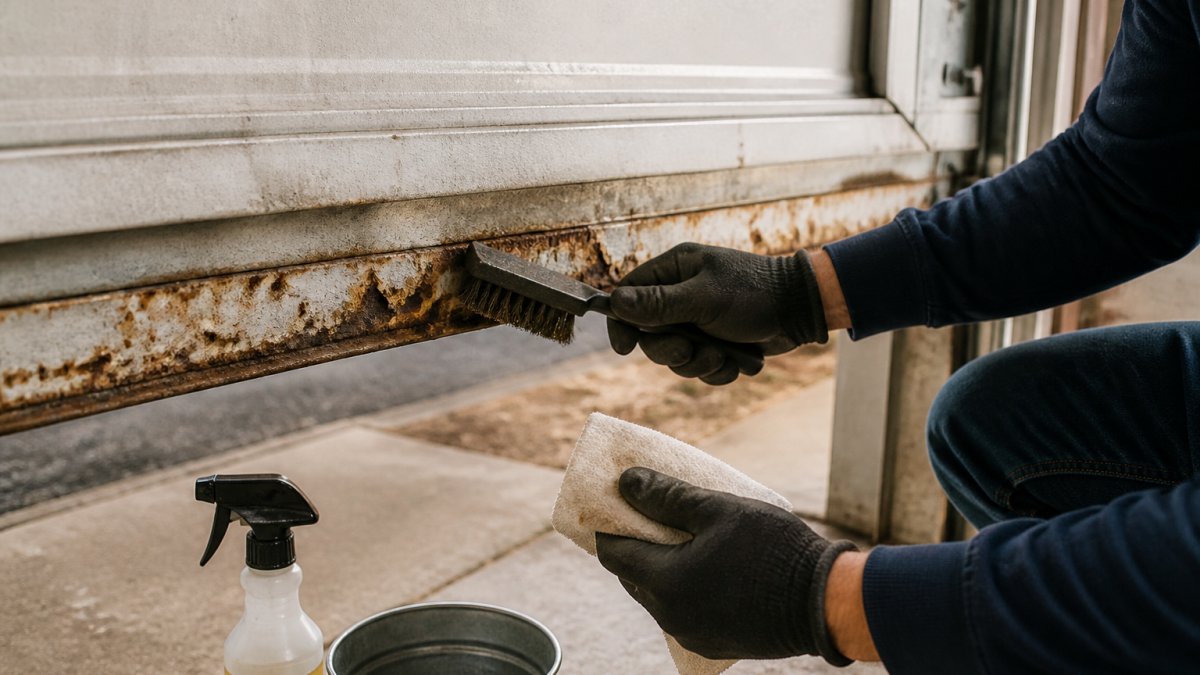
Site conditions in Tampa can add costs. Salt air corrosion near coastal areas like Pinellas County may mean extra prep work to ensure proper installation. Uneven concrete, damaged frames, or electrical work can increase labor time. A reputable contractor will flag these during the estimate phase.
The key is comparing apples to apples. Two estimates at different prices might include different services. One might include haul-away of your old door; another might not. One might include a basic opener; another might charge extra. Your estimate checklist should clarify exactly what's included.
How Long Does Garage Door Installation Time Really Take
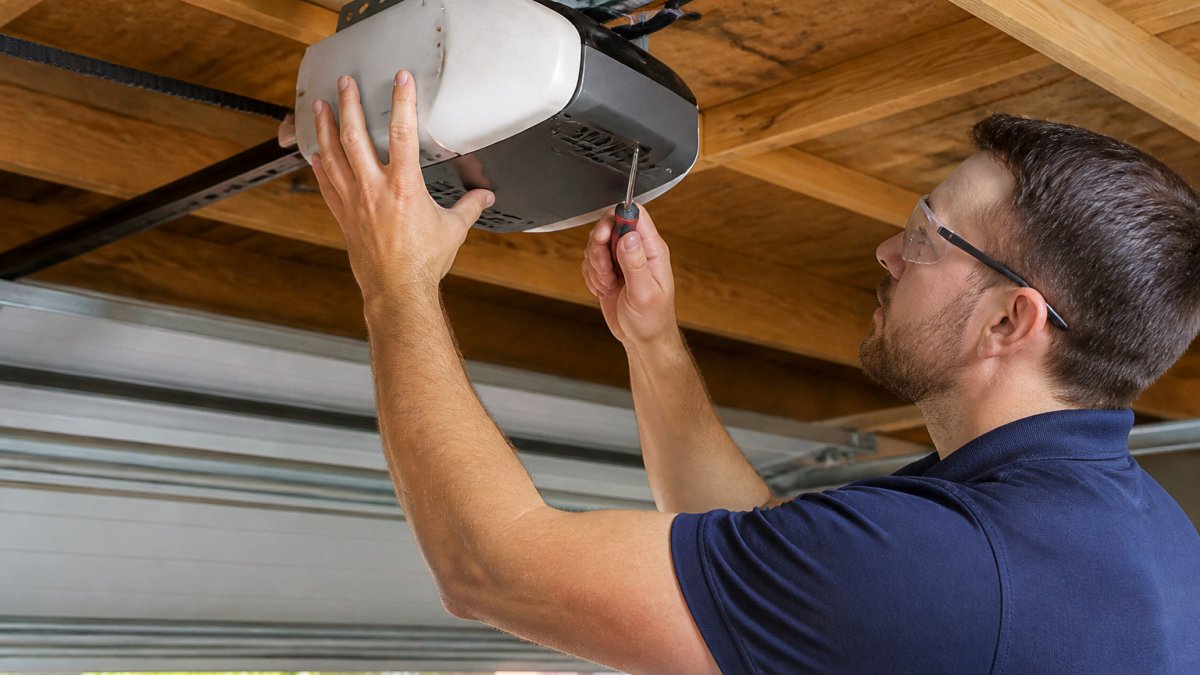
Most residential garage door installations take 2-4 hours for a standard single door replacement. If you're installing a new door in an existing opening with no complications, your technician can typically complete the job in one visit. Complex installations, custom doors, new openings, or significant frame repairs, may take longer.
The timeline depends on several factors:
- Door type, basic steel doors install faster than custom or insulated models
- Existing conditions, damaged frames or rotted wood add prep time
- Opener setup, basic openers take 30 minutes; smart openers with programming may add time
- Site access, difficult garage access or tight spaces slow the process
- Additional work, spring replacement, track repair, or electrical work extends the job
Your contractor should give you a time estimate when you approve the work. Many homeowners in the Tampa Bay area appreciate same-day service, Trinity Garage Door Service often completes jobs within hours of the initial call. Knowing the expected timeline helps you plan your day and manage expectations.
One common mistake is assuming a lower price means faster work. A contractor quoting significantly less than others might be cutting corners or underestimating the job complexity. Your estimate should include a realistic time frame, and that time frame should match the scope of work described.
Use a Garage Door Estimate Checklist Before You Commit
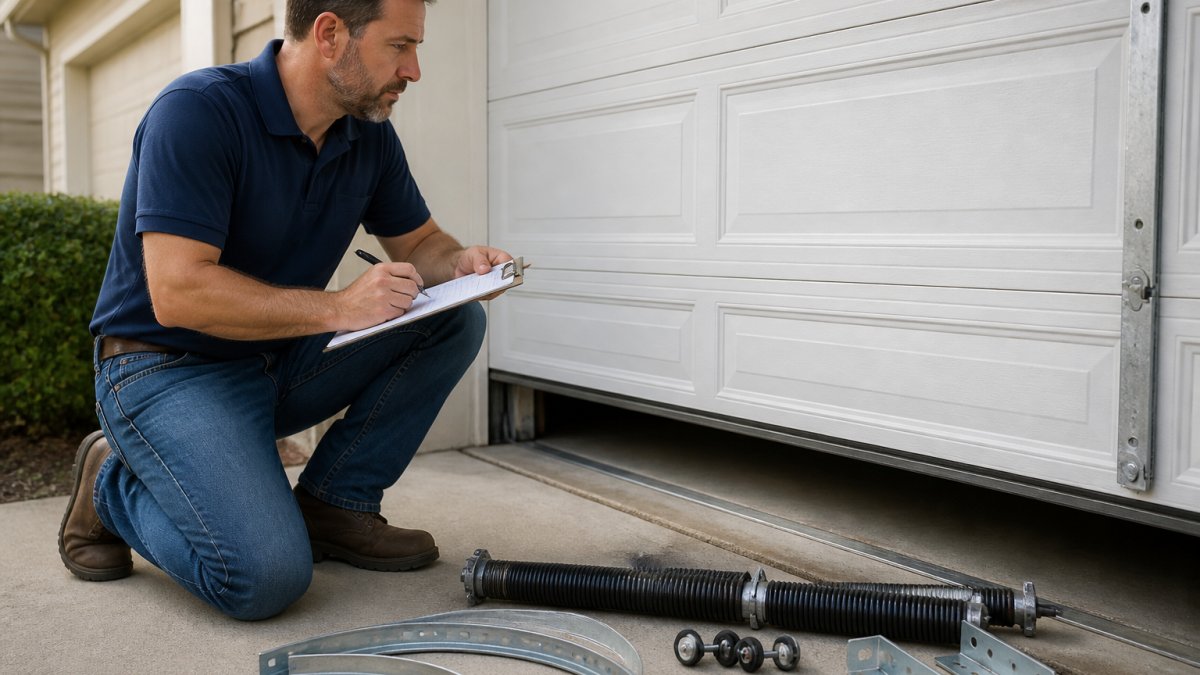
Before you approve any garage door installation estimate, verify that it covers everything you need. A solid checklist prevents misunderstandings and surprise costs down the line.
Your estimate should clearly state:
- Door type, size, and material (steel, aluminum, wood, insulated, non-insulated)
- Opener type and features (basic, smart-enabled, backup battery)
- Hardware included (springs, cables, hinges, rollers, tracks)
- Labor cost broken out separately from materials
- Removal and disposal of old door
- Any permits required and who pays for them
- Warranty on parts and labor (duration and what's covered)
- Total cost with no hidden fees
- Timeline for completion
- Payment terms (deposit, final payment schedule)
- Contractor's license, insurance, and bonding information
Ask whether the estimate includes testing and adjustment after installation. Your door should operate smoothly, and your opener should work reliably. A professional contractor will include this in the job.
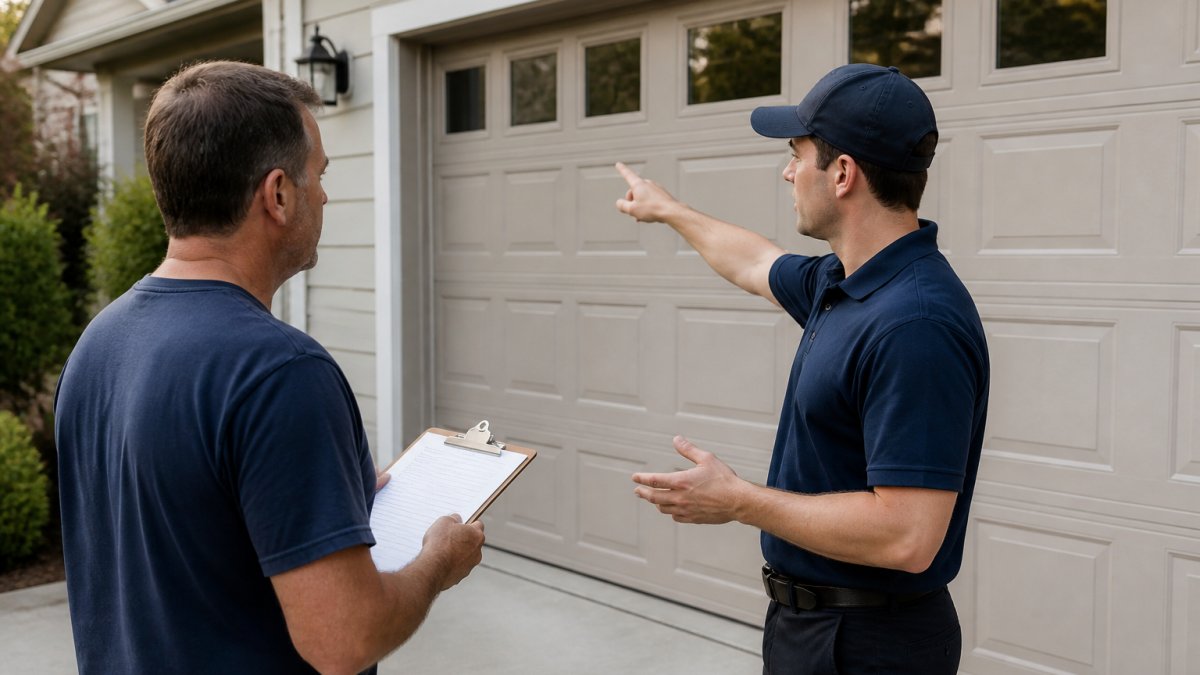
One section many homeowners overlook: what happens if the job uncovers additional problems? Your estimate should address this scenario. For example, if the contractor discovers rotted wood during installation, will they charge extra to repair it, or will they stop and ask your permission first? This conversation upfront prevents conflict later.
Key Garage Door Installation Questions to Ask Your Contractor
Asking the right questions during your estimate conversation protects you and clarifies expectations. These questions separate professional contractors from those cutting corners.
What's included in your labor cost? A complete answer covers removal of the old door, installation of the new one, opener setup, testing, and adjustment.
What warranty do you provide? Most reputable contractors offer at least a one-year warranty on labor and a manufacturer's warranty on parts. Ask what's covered and what's not.
Are you licensed, bonded, and insured? This is non-negotiable. Trinity Garage Door Service is licensed, bonded, and insured.
What if you discover problems during the job? Ask how the contractor handles unexpected issues, rotted frames, electrical problems, or structural damage. Will they stop and call you, or proceed and charge extra?
Can you provide references? A contractor with 10+ years in the business should have customer references or online reviews. Check Google ratings and the Better Business Bureau.
Do you handle permits? Some jurisdictions require permits for garage door installation. Confirm whether your contractor handles this or if you need to obtain permits yourself.
What's your payment policy? Reputable contractors don't ask for full payment upfront. A typical arrangement is a deposit to secure the appointment and final payment upon completion.
How to Spot Hidden Costs and Avoid Surprise Charges
Hidden costs derail budgets and damage trust. Knowing what to watch for protects you.
Red flag: vague estimates. If an estimate says "labor: $500" without breaking down what that includes, push back. You should see itemized costs for removal, installation, opener setup, and testing. Vague estimates hide surprises.
Red flag: significantly lower prices. If one contractor quotes $800 and another quotes $1,400 for the same job, ask why. The cheaper option might be skipping disposal, using lower-quality hardware, or underestimating the work. Get specifics in writing.
Red flag: "we'll assess once we start." Some contractors give rough estimates and adjust the price after starting work. This is a common source of disputes.
Red flag: cash-only or no receipt. Professional contractors issue invoices and accept multiple payment methods. Cash-only work often means no warranty, no recourse if something goes wrong, and no proof of payment.
Red flag: pressure to decide immediately. A contractor pushing you to approve on the spot without time to review the estimate or get a second opinion is using a sales tactic. Legitimate contractors let you think it over.
Watch for these common add-ons that inflate costs:
- Disposal fees for the old door (ask if included)
- Permit costs (confirm who pays)
- Electrical work (if needed, should be quoted separately)
- Haul-away of debris (standard practice, should be included)
- Rush fees (for same-day or emergency service)
The best protection is comparing multiple estimates. Get quotes from at least two contractors. Compare what each includes, ask the same questions of each, and look for consistency. If estimates vary wildly, that's a signal to dig deeper.
Request Your Free Installation Estimate Today
Getting a professional garage door installation estimate is the first step toward a reliable, properly functioning door. The right contractor listens to your needs, explains costs clearly, and stands behind their work with a solid warranty.
When you're ready to move forward, request a door replacement with Trinity Garage Door Service. Our team provides estimates with no obligation, we'll assess your garage door, discuss your options, and give you a clear, itemized quote before any work begins. We serve homeowners across Tampa Bay and the surrounding counties with the same commitment to upfront pricing and professional service we've maintained since 2007.
You can also explore our garage door types and styles to understand your options, or check our garage door FAQ for answers to common questions about installation and pricing. If you have questions before requesting an estimate, call us at (813) 279-6785.
Getting a clear, detailed garage door installation estimate removes uncertainty from the replacement process. You'll know exactly what you're paying for, what to expect during installation, and what warranty protects your investment. The time you spend reviewing estimates and asking questions now prevents frustration and surprise charges later.
| Factor | What to Check | Why It Matters |
|---|---|---|
| Door type and size | Steel, insulated, custom; single or double | Directly affects material and labor costs |
| Hardware included | Springs, cables, hinges, opener | Clarifies what's covered in the quote |
| Labor breakdown | Removal, installation, testing separately | Prevents vague pricing and surprises |
| Warranty terms | Duration and coverage for parts and labor | Protects you if problems arise after installation |
| Site conditions | Frame damage, access difficulty, permits | Explains cost variations between estimates |
Frequently Asked Questions
How much does a residential garage door installation estimate typically cost?
Costs for garage door installation vary widely based on door type, size, and local conditions. Insulated steel doors cost more, and double doors or custom sizes push costs higher. Since pricing depends on your specific needs, location, and site conditions, getting an estimate from a local contractor gives you an accurate figure for your home.
What should be included in a garage door installation estimate?
A complete estimate should list the door cost, labor charges, removal of your old door, hardware and springs, opener installation (if applicable), permits, and any site-specific work like framing repairs. It should also specify the timeline and any guarantees on parts or labor. Reputable contractors provide this breakdown upfront so you know exactly what you're paying for before work begins.
How long does residential garage door installation typically take?
Most standard garage door installations take 2 to 4 hours from start to finish, though timelines vary based on door complexity, whether you're replacing an existing door or installing new, and any structural work needed. Opener installation adds time if included. Your contractor should provide a realistic timeline during the estimate so you can plan accordingly.
What factors affect the cost of a garage door installation estimate?
Door type (steel, aluminum, wood, composite), size (single vs. double), insulation level, opener type, removal of the old door, permits, site access, and structural repairs all influence price. Salt air corrosion in coastal areas may require special materials or additional prep work. Location and contractor experience also play a role. Discussing these factors with your contractor ensures your estimate reflects your actual project.