 How-to
How Do You Prevent Garage Door Opener Failure?
Quick Summary
Preventing garage door opener failure comes down to a monthly routine. Test the auto-reverse feature with a 2x4 board, clean and align the safety sensors, wipe down the tracks, and lubricate rollers, hinges, and springs with silicone spray.
- Worn chains, belts, and screws are a common cause of opener failure.
- Test the auto-reverse feature once a month using a 2x4 board on the floor.
- Use silicone-based spray on rollers, hinges, and springs, not heavy grease.
- Clean the safety sensor lenses and confirm both indicator lights are steady.
- Call a professional if the motor overheats, sparks appear, or the opener is over 10 years old.
Table of Contents
- Why Garage Door Openers Fail
- Garage Door Opener Maintenance You Can Do Yourself
- How to Test Your Garage Door Auto-Reverse Feature
- Troubleshooting Garage Door Safety Sensors
- Warning Signs of a Failing Garage Door Opener
- Monthly Maintenance Checklist for Preventing Failure
- When to Call a Professional for Your Garage Door Opener
- Frequently Asked Questions
Why Garage Door Openers Fail
Last Updated: October 28, 2026
Most garage door opener failures are preventable. The causes tend to repeat. Knowing what breaks and why is the first step to preventing garage door opener failure.
Openers fail for a handful of common reasons. Worn parts, dust, poor lubrication, and ignored safety sensors cause most of the trouble.
Here are the usual suspects:
- Worn drive components: Chains, belts, and screws stretch or wear down over time.
- Dirty or misaligned safety sensors: A blocked or bent sensor can stop the door from closing.
- Loose hardware: Vibration slowly loosens brackets and bolts.
- Dry tracks and rollers: Friction makes the motor work harder.
- Power or remote problems: Weak batteries, faulty outlets, or outdated remotes can mimic a dead opener.
Openers also work hard.
Garage Door Opener Maintenance You Can Do Yourself
Start with the moving parts you can see:
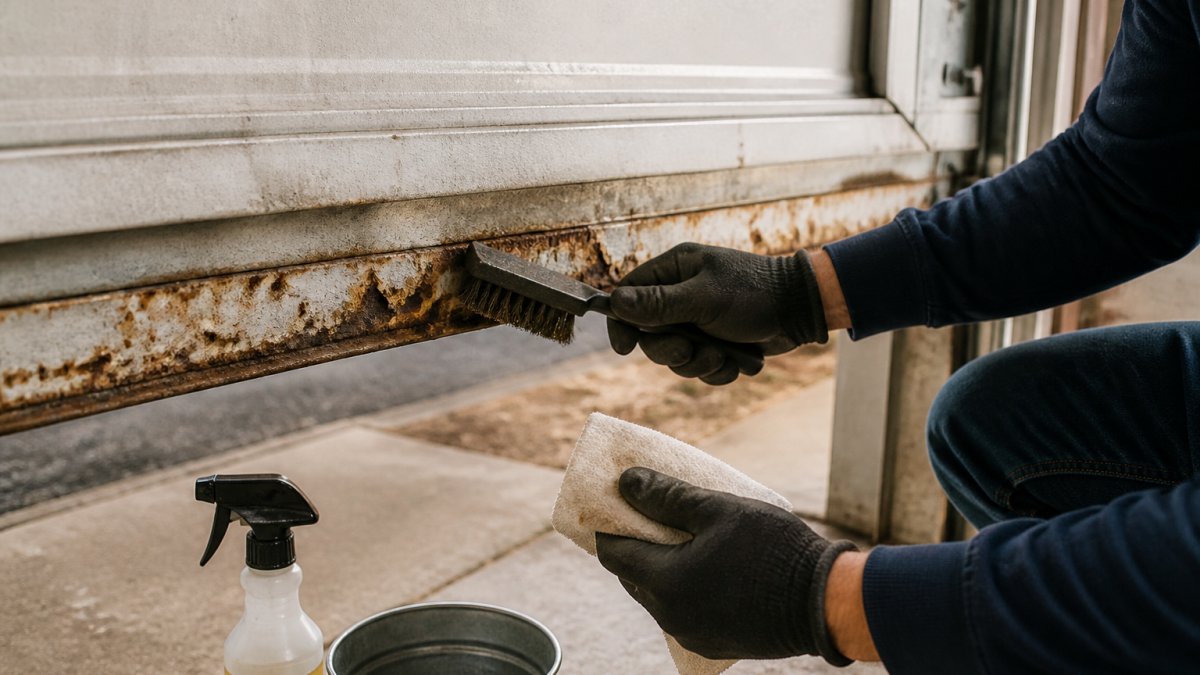
- Clean the tracks. Wipe away dirt and debris with a dry cloth.
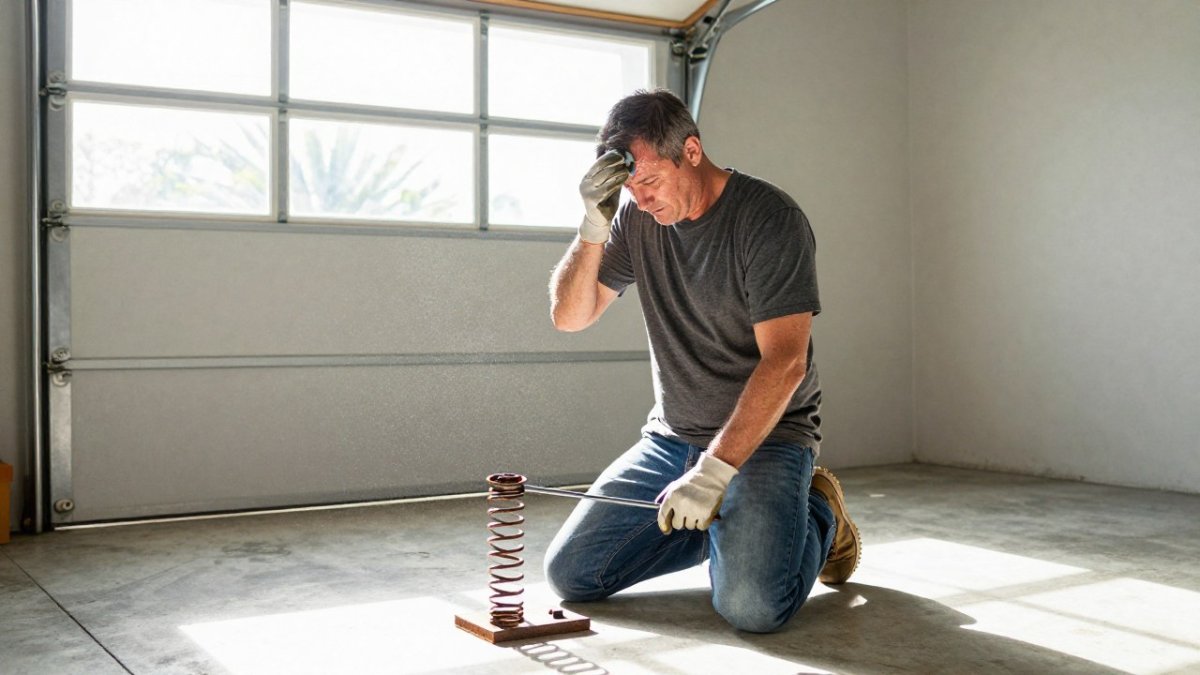
- Lubricate the rollers, hinges, and springs. Use a silicone-based spray. Skip grease, which attracts dust.
- Tighten loose hardware. Check the brackets, bolts, and mounting screws.
- Inspect the chain or belt. Look for sagging, fraying, or rust.
- Test the remote and keypad batteries. Replace them if the range drops.
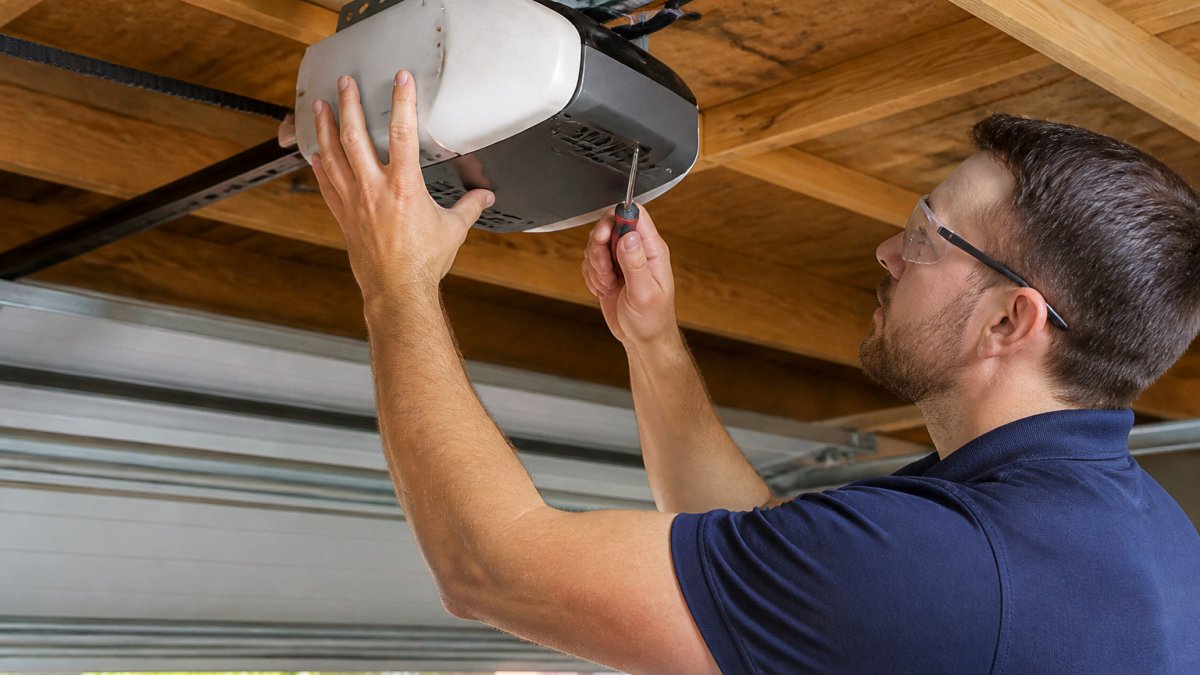
Avoid oiling the opener's motor or the electrical components. Those parts need professional service if they fail.
Watch out: Never lubricate the tracks with a heavy grease. It collects grit and can slow the door.
How to Test Your Garage Door Auto-Reverse Feature
Every modern opener must have an automatic reversing system. Federal rules require it for residential openers sold in the United States, according to the Federal Register's safety standard for automatic residential garage door operators. The feature stops the door and reverses it when something blocks the path.
Test it once a month:
- Place a 2x4 piece of wood flat on the floor in the door's path.
- Close the door using the wall button.
- The door should reverse as soon as it touches the wood.
- If it keeps pushing down, the auto-reverse feature needs adjustment or repair.
Troubleshooting Garage Door Safety Sensors
The photo-eye sensors near the bottom of the tracks drive most reversing behavior. When they misread, the door may refuse to close at all.
Check these first:
- Make sure both sensors face each other and their indicator lights are steady.
- Wipe the lenses clean with a soft cloth.
- Remove anything blocking the beam, such as cobwebs or a bent bracket.
- Confirm the wires are secure and not chewed or pinched.
Sensor alignment is a small fix that often solves the problem. Some repairs, such as rewiring or replacing a faulty sensor, belong to a professional.
For a closer look at what you can safely fix yourself, see our DIY Garage Door Troubleshooting Guide.
Warning Signs of a Failing Garage Door Opener
Openers rarely die without warning. Pay attention to these early signs:
- Grinding or screeching noises during operation
- Jerky or uneven movement as the door rises or lowers
- Slow opening or closing compared to how it used to behave
- The motor hums but the door does not move
- The door reverses for no reason
- Remote range shrinks even after new batteries
Any one of these signs deserves attention. For help deciding whether to repair or replace, read our article on 5 Signs Your Garage Door Opener Is on Its Last Legs.
Monthly Maintenance Checklist for Preventing Failure
Use this checklist once a month to keep your opener in good shape:
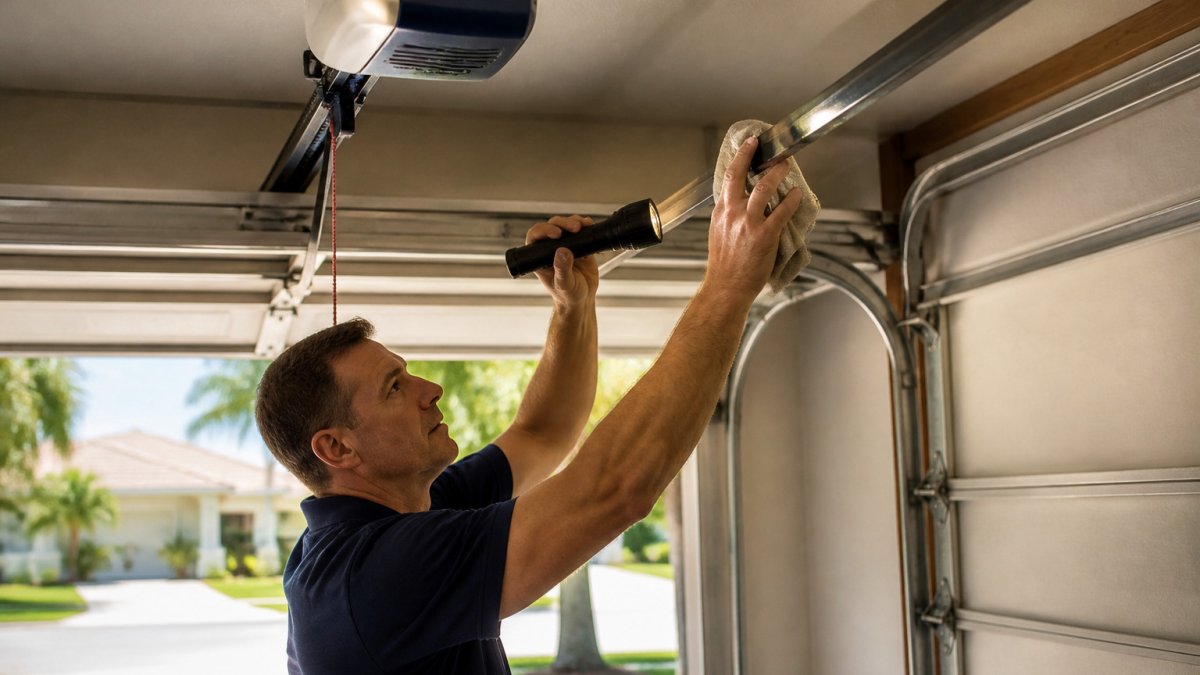
- Test the auto-reverse feature with a 2x4 board
- Clean the safety sensor lenses and check alignment
- Wipe down the tracks and remove debris
- Lubricate rollers, hinges, and springs with silicone spray
- Tighten visible brackets, bolts, and screws
- Inspect the chain or belt for wear
- Replace remote and keypad batteries if needed
- Run the door through a full open and close cycle and listen for new noises
Use this checklist each month to catch the wear and misalignment that cause most openers to fail.
| Task | Frequency | Note |
|---|---|---|
| Test auto-reverse with a 2x4 board | Monthly | Door should reverse on contact |
| Clean and align safety sensors | Monthly | Wipe lenses; check steady lights |
| Wipe down tracks | Monthly | Remove dirt and debris |
| Lubricate rollers, hinges, springs | Monthly | Use silicone spray, not grease |
| Tighten brackets, bolts, screws | Monthly | Check visible hardware |
| Inspect chain or belt | Monthly | Look for wear |
| Replace remote batteries if needed | As needed | Replace when range drops |
| Run full open and close cycle | Monthly | Listen for new noises |
When to Call a Professional for Your Garage Door Opener
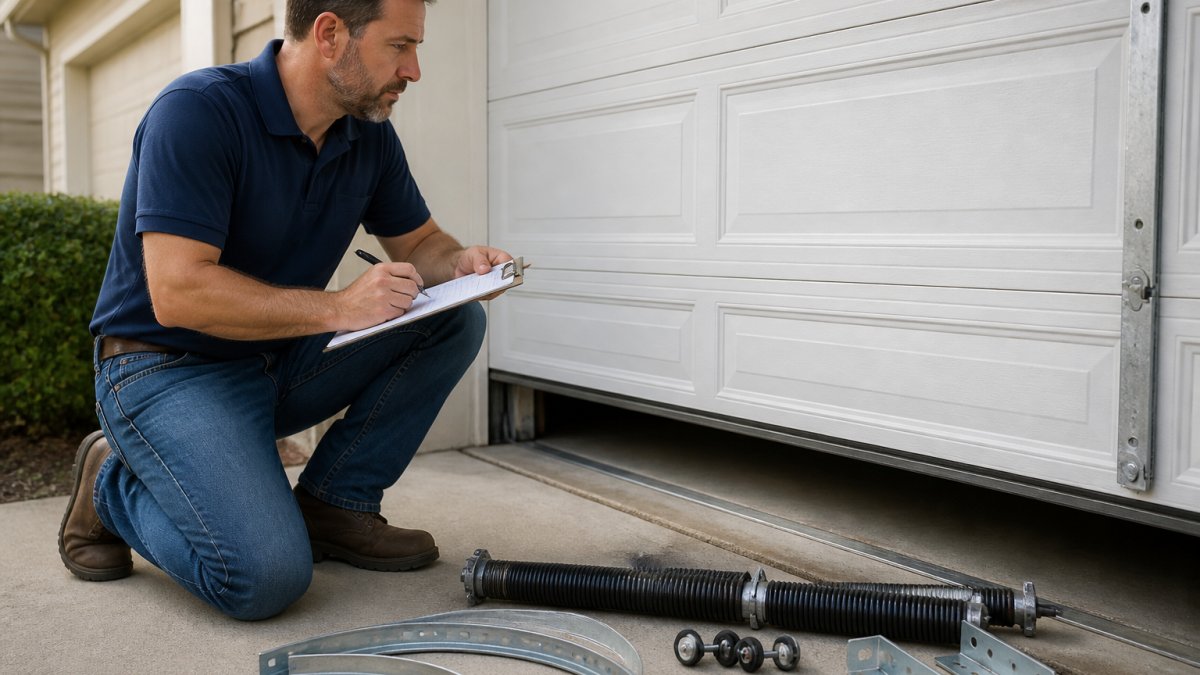
Some problems need a trained technician. Call a professional if you notice:
- The opener motor overheats or smells of burning
- The door falls quickly or comes down unevenly
- The auto-reverse feature still fails after adjustment
- Sparks, buzzing, or exposed wiring appear
- Your opener is more than 10 years old and needs frequent repairs
Trinity Garage Door Service is a family-owned, licensed, bonded, and insured company that has served Tampa Bay homeowners since 2007. Our technicians offer upfront pricing before any work begins, and we often provide same-day service. You can Request Your Opener Repair online, or learn more about our Garage Door Opener Repair services and what they cover.
Preventing garage door opener failure comes down to steady, simple care. Stay on top of the monthly checks.
Frequently Asked Questions
How can I prevent my garage door opener from failing?
Run a monthly routine: check that the door balances by lifting it halfway and letting go, clean and realign the safety sensors, inspect the rails and rollers, and lubricate moving parts with a silicone-based or manufacturer-recommended lubricant. Tighten loose hardware and keep the tracks clear of debris. Regular checks catch small wear before it becomes a breakdown, and they give you a chance to spot problems early enough to schedule a service call on your own terms rather than during an emergency.
How often should I maintain my garage door opener?
A visual inspection and a quick function test every month is a practical baseline for most households. Lubricate the moving parts and inspect the hardware every three to six months, and have a professional perform a full tune-up at least once a year. Homes with heavy daily use, or those near the coast where salt air accelerates corrosion, may need more frequent attention to keep the opener and door components working safely.
Can dirty or misaligned safety sensors stop a garage door from closing?
Yes. The photo-eye safety sensors near the bottom of the door must see each other clearly, usually with a green light on the receiver and a steady light on the sender. If the lenses are dirty, bumped out of alignment, or blocked by cobwebs or sunlight glare, the opener will refuse to close or will reverse immediately. Wiping the lenses with a soft cloth and gently re-aiming the sensors often restores normal operation.
When should I call a professional to repair a garage door opener?
Trinity Garage Door Service offers same-day service and upfront pricing, so you can request a visit through the website and know what to expect before work begins.